Cosplay Photo and Video Etiquette: Ask, Frame, Share
A good cosplay photo begins before the camera comes up. A clear request gives the cosplayer a choice, sets expectations for the image, and makes the interaction less awkward for everyone. The same principle applies whether you are taking a quick portrait or filming a short video.
Costume details can attract attention, but wearing an interesting outfit is not an invitation to be touched, repositioned, or filmed in every situation. Treat the person as a collaborator rather than a part of the scenery.
Ask for the specific thing you want to make
“May I take a photo?” is a useful start for a still image. If you want video, say video. If you want the person to repeat a movement or join a short scene, explain that before recording. A yes to one photograph is not automatically a yes to a longer performance.
Keep the request easy to decline. Someone may be resting, eating, looking for a friend, or simply finished with photos for the day. A polite response to a no is to thank them and move on without negotiation.
Agree on the frame and the time
Describe the shot briefly: a waist-up portrait, a full costume view, or a close detail of the prop. Ask whether they have a preferred side or a detail they want included. If your request takes more than a moment, say how long you expect it to take.
Choose a place where stopping will not block an entrance, aisle, or another activity. Follow the venue's photography rules and staff directions. A technically attractive background is not useful if it creates a crowd in a passageway.

Keep hands off the costume and prop
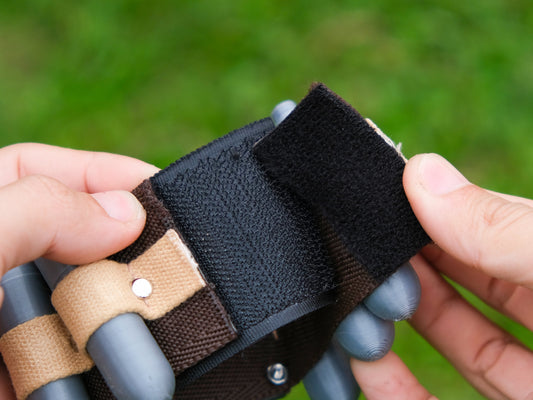
If a sleeve hides a detail, explain what you see and let the wearer adjust it. Do not reach in to straighten a strap, move a chest accessory, or take a prop from someone's hand. A piece may be fragile, personal, or attached in a way you cannot see.
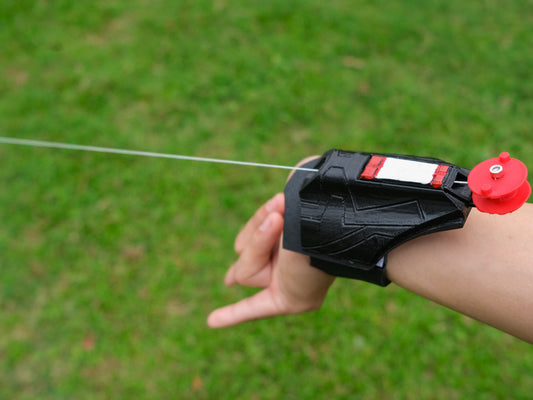
If handling is offered, ask where to support the object and whether any parts should remain untouched. Never activate a launching mechanism or switch a prop's state without a clear invitation and an appropriate permitted setting.
Separate taking the image from sharing it
Explain where you intend to post the photograph or clip. A private keepsake and a public promotional video are different expectations. If you ask for a social handle, let the person choose what they want to share and how they want to be credited.
Do not pressure someone to provide contact details. You can offer your own public account or a simple way to find the finished image. If several people are in the scene, check that the plan works for each of them rather than treating one person's agreement as the group's answer.
Make editing choices that preserve the interaction
Avoid captions that imply the person said, endorsed, or experienced something they did not. If you edit a sequence into a joke, make sure the participant understands the idea. A collaborative scene should not become a surprise at their expense.
Check the background for people who were not part of the interaction and for private details. When photographing children, involve their parent or guardian and follow the event's requirements rather than treating the costume as permission.
Close the interaction clearly
Show the image if appropriate, say thank you, and let the person return to their day. If they ask you not to use a particular take, respond respectfully and resolve that request before posting. Clear expectations are easier to manage in the moment than after a clip has spread.
For the visual side of a session, use the beginner pose guide. For filming your own wrist prop without involving another person, the 360-degree recording plan is a useful alternative.