Storyboard a 20-Second Superhero Film Around One Prop
A twenty-second superhero film can tell a complete story if the character wants one small thing. The prop should help the audience understand that desire. It does not have to perform an impossible feat or imitate a large action sequence.
Try this premise: an inventor prepares for a major mission, checks their equipment, and discovers the mission is simply returning a borrowed book. The scale of the preparation and the ordinary task create the ending.
Write the story in three sentences
First, state the goal. Second, introduce the piece of information that changes the situation. Third, describe the character's response. If you need several paragraphs of fictional history to make the ending work, make the problem smaller.
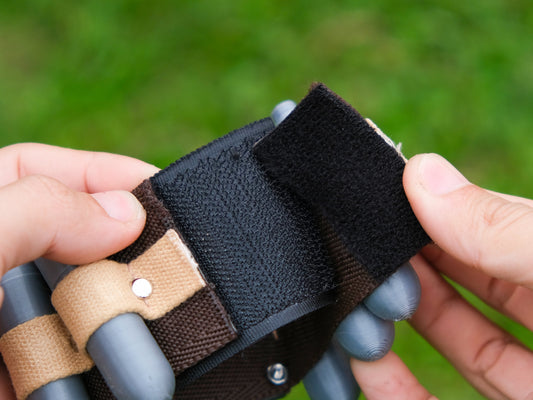
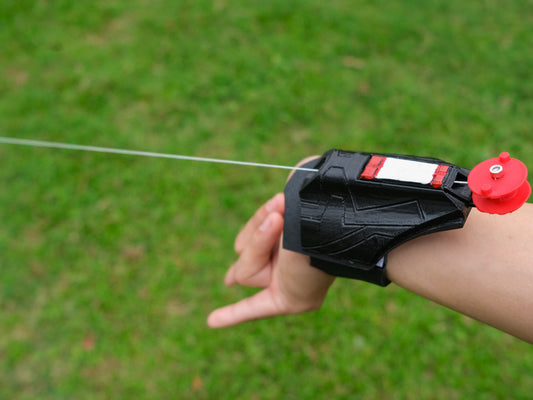
A prop becomes useful when it carries one piece of information. A wrist device can suggest preparation. A chest-light accessory can establish an inventor character. Neither needs to be explained with a long speech about how the fictional technology operates.
Build a five-shot storyboard
| Shot | Approximate time | What happens |
|---|---|---|
| 1. The assignment | 0–4 seconds | A serious-looking envelope lands on the desk |
| 2. Preparation | 4–8 seconds | The character checks a visible costume detail |
| 3. Anticipation | 8–11 seconds | A focused look toward the envelope |
| 4. The reveal | 11–16 seconds | The note asks for the return of a borrowed book |
| 5. The response | 16–20 seconds | The character accepts the mission and picks up the book |
The times are a starting point. If the note needs more reading time, shorten another shot. The viewer must understand the ordinary task before the final reaction can become funny.

Decide where the audience is looking
Give each shot one subject. The envelope shot shows the assignment. The preparation shot shows the prop. The reaction shot shows the face. When a shot tries to display everything at once, viewers may miss the piece of information that matters.
Keep the direction of attention consistent. If the character looks to the right toward the envelope, do not place the envelope on the opposite side in the next shot without a reason. Simple spatial relationships help a tiny story feel like one place.
Film for the edit you already planned
Record a few seconds before and after the main action in each shot. These extra moments give you room to choose the cut. Photograph the prop position between setups so the wrist side, strap orientation, or light state does not change accidentally.
Use the prop as a static costume detail. This story requires no launching, climbing, or simulated combat. A close view of a character checking their outfit is enough to establish the mood.
Make the ending work without dialogue
Watch the rough cut silently. Can someone follow the goal, the change, and the response? If not, improve the visible information before adding narration. A large, readable note may solve more than an extra voiceover sentence.
Sound can then support the story: a paper movement, a quiet pause, or a small cue at the reveal. Use your own recordings or audio you have permission to use. Avoid covering the ending with several competing sound effects.
Choose the version you can actually finish
Keep the cast small and the location controlled. If a friend helps, give them one clear role and agree on where the footage will be shared. A finished short scene is a useful building block for a larger project later.
Explore the 5in1 arc reactor or a wrist prop as a visual cue, then use the continuity checklist to keep the five shots connected.