Are Spider-Man's Webs Organic or Mechanical? It Depends on the Version
Share
Marvel Technology · 2 min read
Spider-Man's webbing has more than one explanation across adaptations. A viewer who remembers one film series may reasonably expect another version to work the same way, but that assumption can create confusion. The clear answer begins with the specific Peter Parker and medium being discussed.
The version changes the answer
The familiar comics origin gives Peter mechanical web-shooters and web fluid he develops. Tobey Maguire's Peter in Sam Raimi's film trilogy produces organic webbing, while the MCU's Peter uses technological web-shooters. These are adaptation choices, not evidence that every appearance shares one identical mechanism.
Comics also contain changes and exceptions across their long history. For a precise claim, identify the issue or era instead of treating a brief overview as a rule without exceptions.
Each choice emphasizes something different
Mechanical web-shooters make Peter's inventiveness visible. The equipment shows that his heroic identity involves something he makes as well as abilities he receives. Organic webbing links the effect more directly to the bodily transformation associated with the spider bite.
Those are narrative readings, not a declaration that one version is more authentic or better. Each adaptation can use its choice to support a different emphasis while preserving the recognizable image of Spider-Man moving through the city.
A wrist gesture does not settle the mechanism
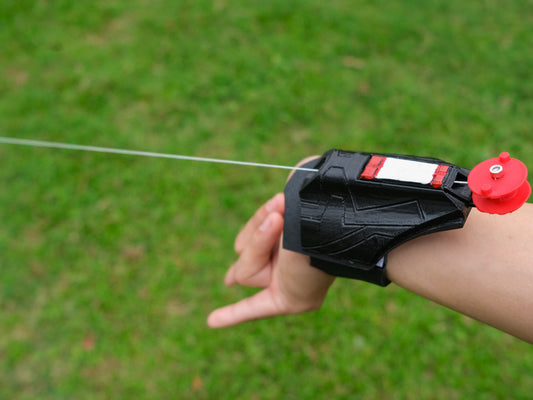
Similar hand poses appear across versions, so the gesture alone is not enough to identify how webbing is produced. Look for the equipment and the explanation supplied by the particular work. A cropped image can hide the detail needed for a confident answer.
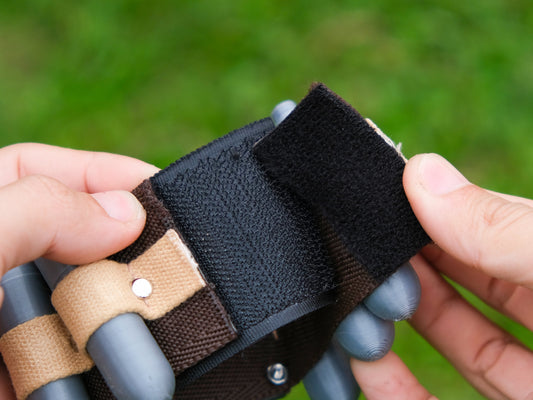
The same caution applies to costumes and props. A wrist accessory may be inspired by a character's appearance without reproducing the fictional mechanism. Describe a real object's actual function separately from the story explanation.
Explain it without a continuity lecture
For a new fan, three columns are usually enough: version, source of webbing, and a named example. Add exceptions only when they become relevant to the question. A concise, scoped answer is more useful than a list that mixes every comic event, game, and film.
Spider-Man remains recognizable across these differences because the webbing serves a consistent broad role in his visual identity. Understanding the variation lets you appreciate what each adaptation emphasizes rather than treating a change in mechanism as an error.
Keep exploring
- Iron Spider in Comics and Movies: Keep the Versions Separate
- Miles Morales: Recognizable Spider-Man, Distinct Visual Identity
- Explore the full Iron Man & Marvel fan library